
Operational Procedure for Rompex Technology
Operational Procedure for the Use of Rompex Technology in Rock Fragmentation
Rock fragmentation plays a crucial role in various industrial sectors, such as mining and civil construction. Rompex technology, known for its effectiveness and safety, offers an advanced method for performing this task. This article explores in detail the operational procedure for using Rompex technology, highlighting its importance in ensuring efficiency and safety during rock fragmentation.
1. Preparation for the Activity
The initial stage of the Rompex operational procedure involves meticulous preparation to ensure the safety of everyone involved in the operation. All operators must be properly trained and equipped with the appropriate Personal Protective Equipment (PPE), including impact-resistant helmets, safety goggles, hearing protection, and respirators.
In addition to PPE, operator awareness of the risks involved and training for emergency situations, including evacuation and first aid, is essential.
2. Inspection of Materials and Equipment
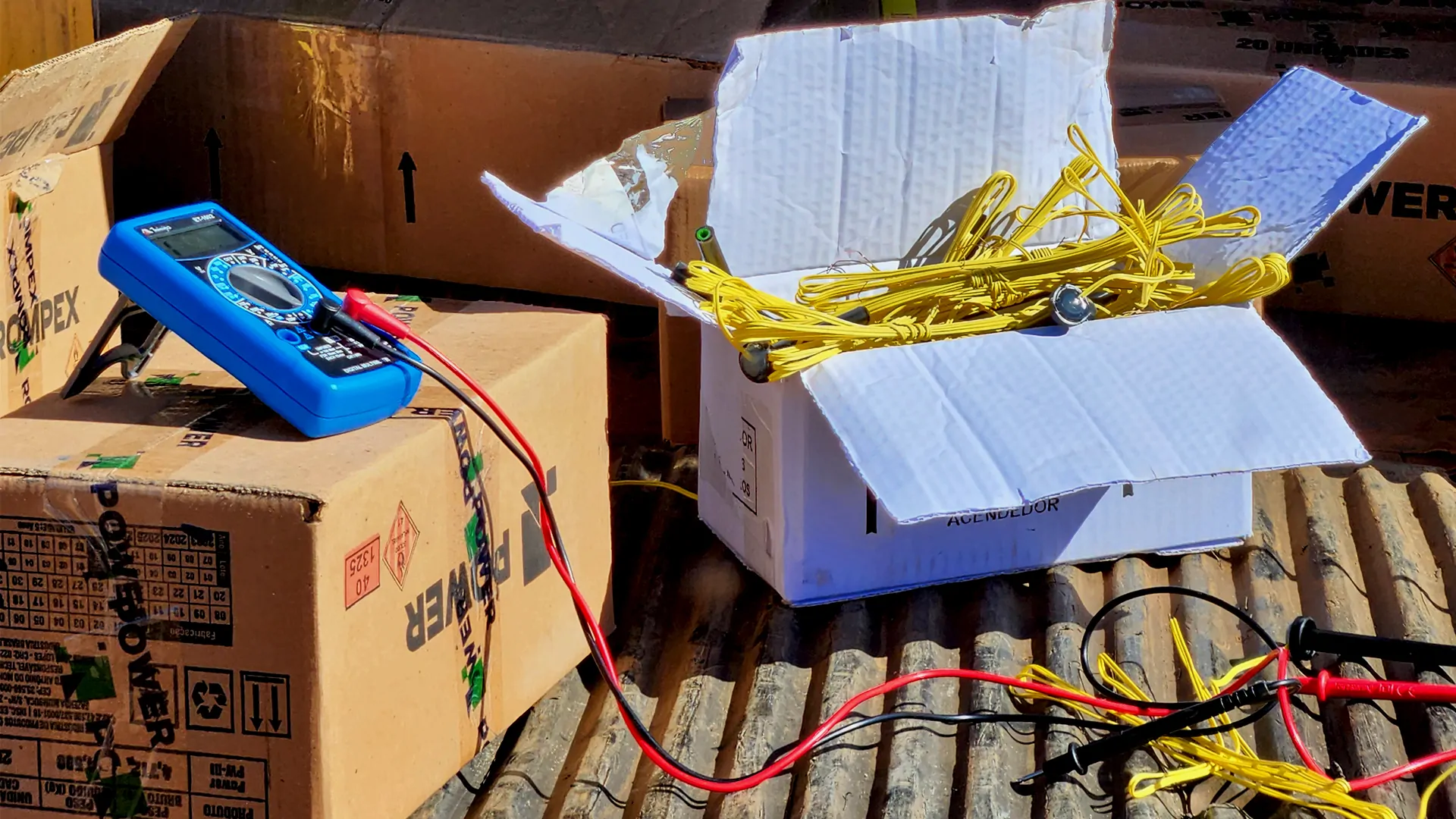
Before starting any task, it is necessary to confirm the availability and integrity of essential components: Rompex cartridges, connectors, wires, and electric igniters. Any defective components must be immediately replaced.
Check the firing case and its charge level indicators. If the red light is on, the case must be recharged before use.
3. Resistance Check of Igniters
This check helps prevent failures during fragmentation. Use a digital multimeter to compare the measured resistance values of the igniters with the nominal values. Set aside any igniters outside the acceptable range and return them to the manufacturer.
4. Connecting Igniters to Cartridges
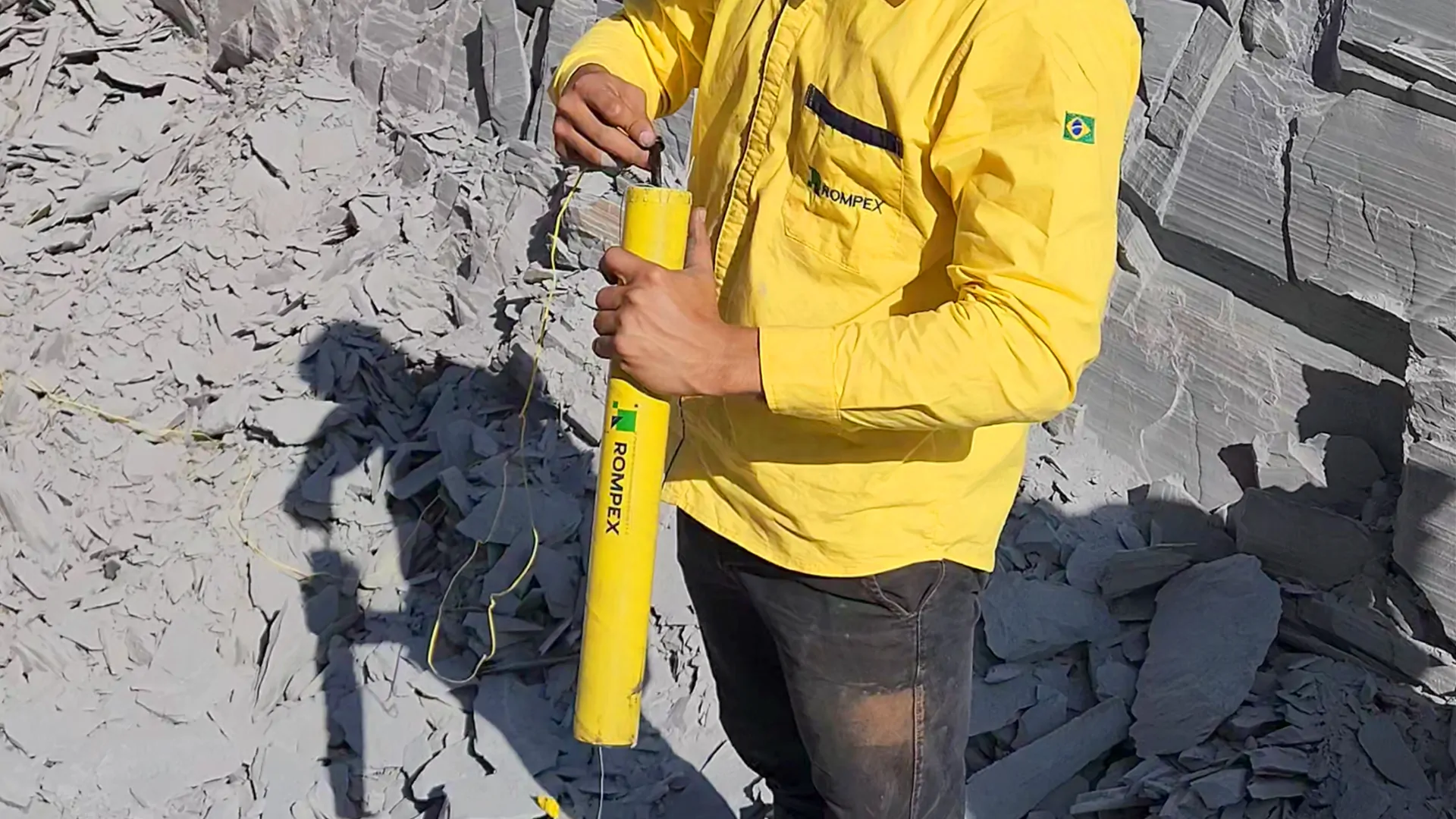
Connect the electric igniters to the Rompex cartridges according to the manufacturer's specifications. Ensure a secure and firm connection, confirmed by two clicking sounds. Avoid accidental disconnections.
5. Loading Holes and Stemming
Visually inspect the boreholes before loading. Remove any obstruction or water using compressed air. Insert the cartridges carefully until they reach the bottom of the hole, ensuring they are in contact with each other for effective fragmentation.
6. Connecting the Circuit and Checking Total Resistance
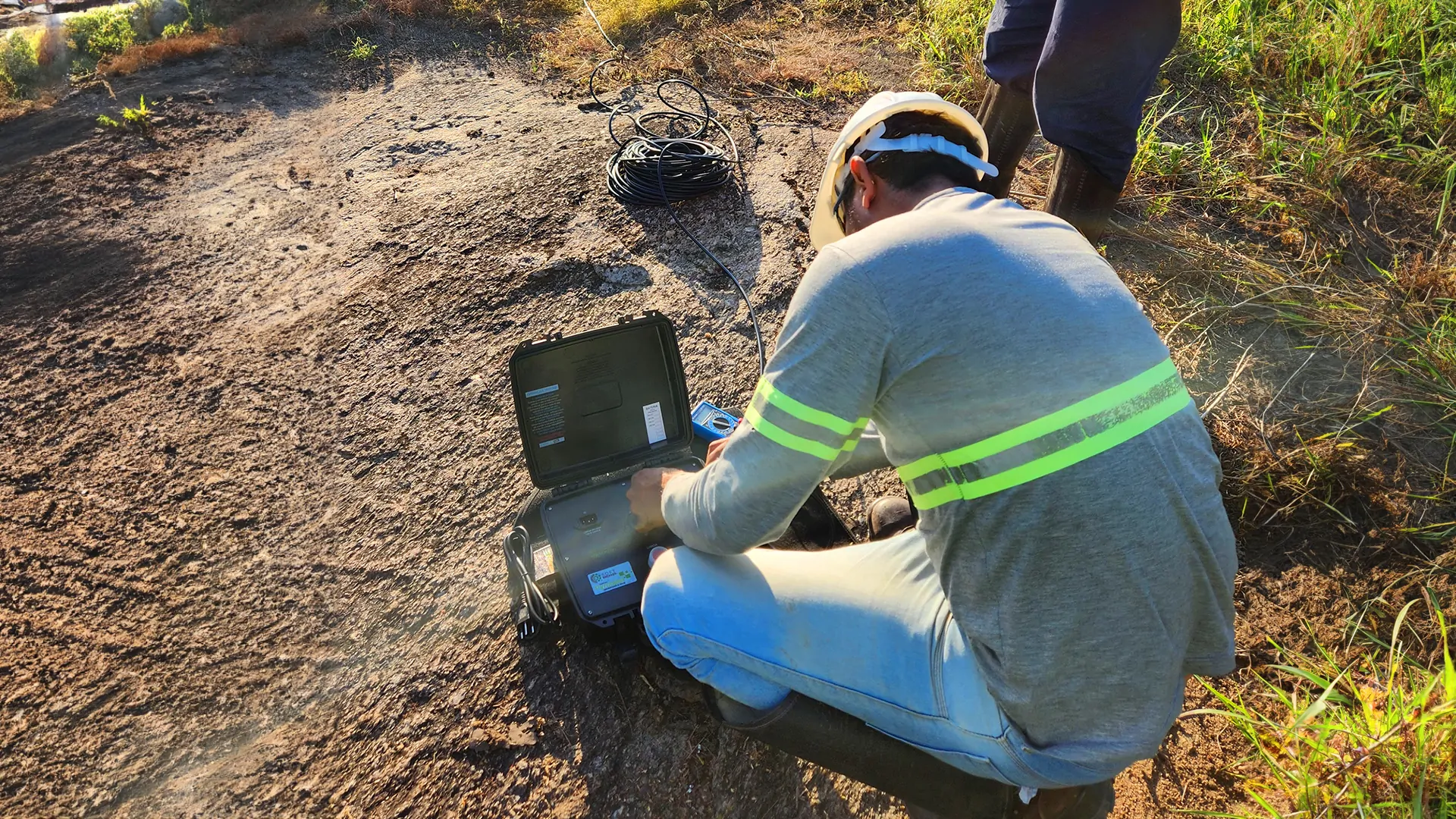
Connect the igniters in series to form the circuit. Verify the total electrical resistance of the mesh using a multimeter before connecting it to the safety cable (PP cable). Any changes to the wires, such as cuts or splices, may affect resistance values.
7. Fragmentation Activation
Check the charge level of the activation case. If the red light is on, recharge it before proceeding. Ensure the circuit’s total resistance is within the case's capacity to avoid failure. After activation, wait the recommended time before returning to the area to assess the results.
8. Result Assessment and Procedures in Case of Failure
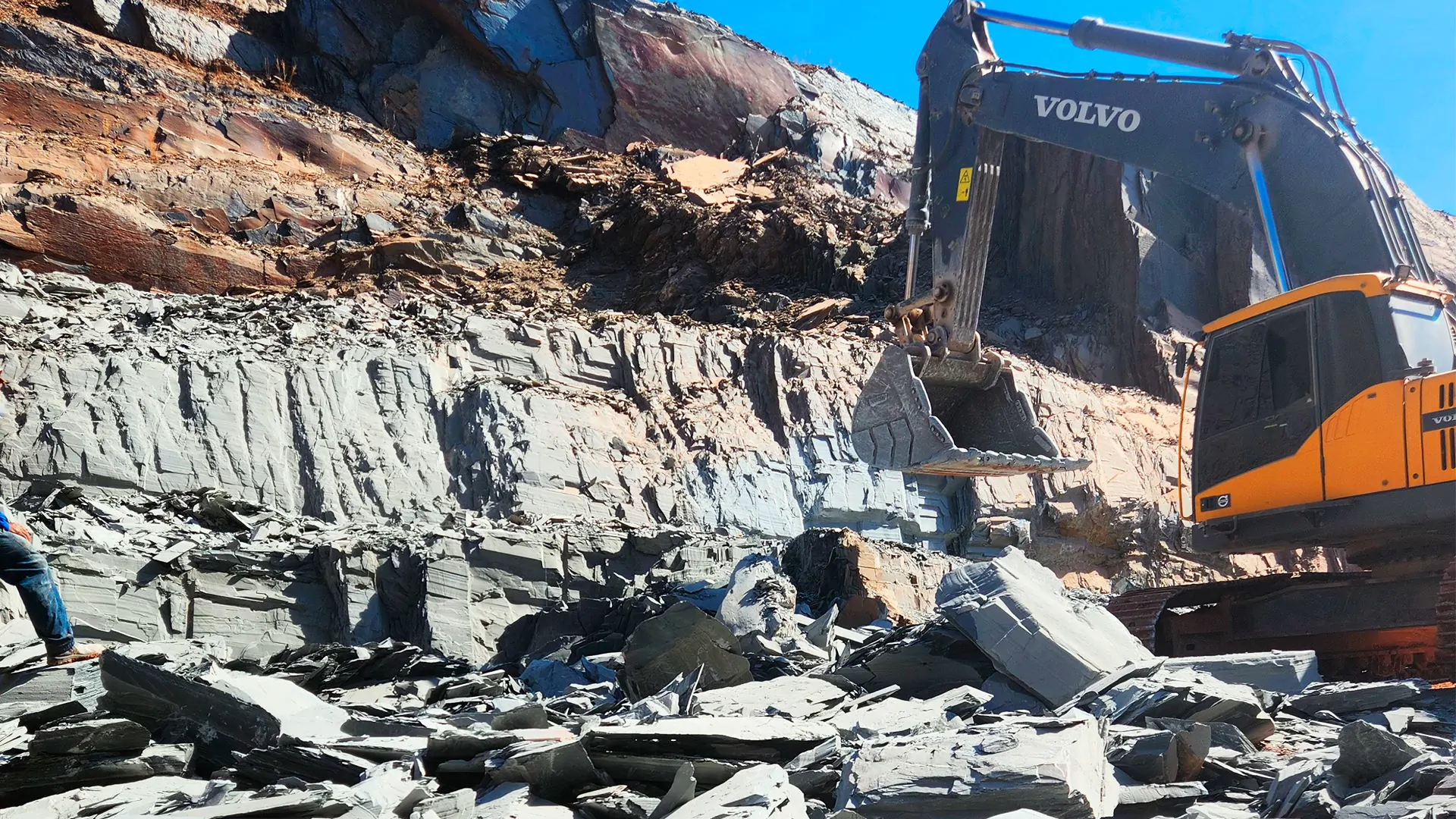
Visually inspect the area after fragmentation. If any holes did not initiate, check the igniter resistance. Absence of resistance does not guarantee that the cartridge functioned. If necessary, render the cartridge inert by flooding the hole with water for safety.
Conclusion
Rompex technology provides a safe and advanced approach to rock fragmentation. By following the detailed operational procedure described here, operators can achieve controlled, efficient, and safe execution. Each step, from preparation to result evaluation, plays a key role in the success of the operation.
Using materials and equipment correctly, checking igniter resistance, ensuring proper connections, and activating with caution, Rompex allows for efficient and secure rock fragmentation activities. This technology not only represents progress in the field but also emphasizes the importance of well-defined processes and precision execution to achieve safe and reliable results.